Klaus
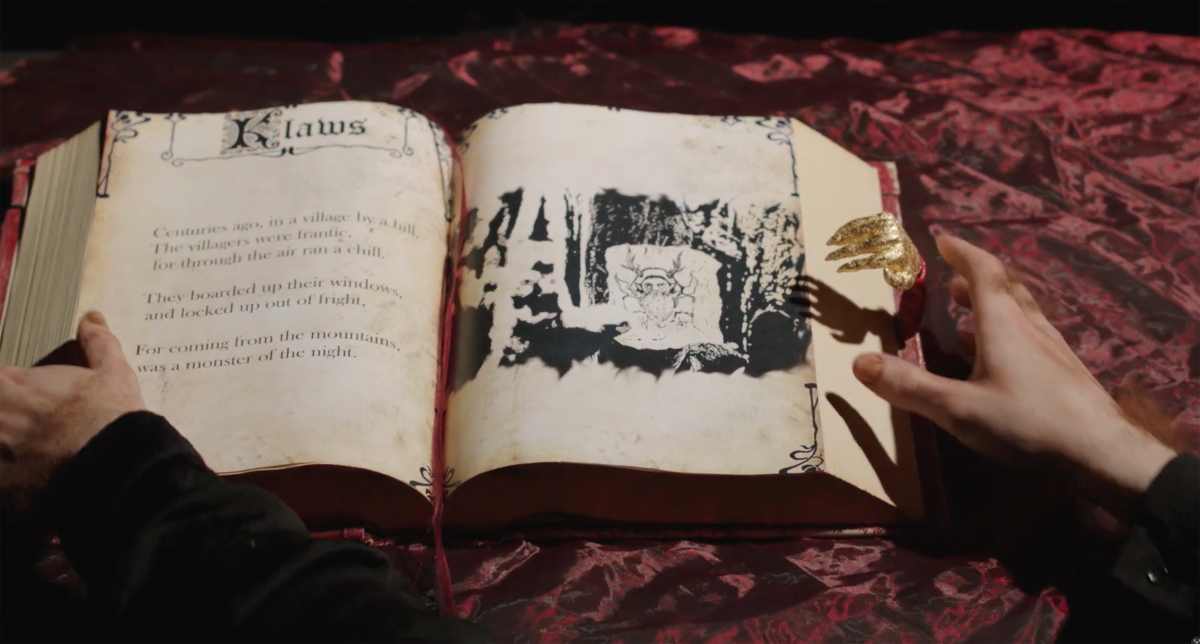
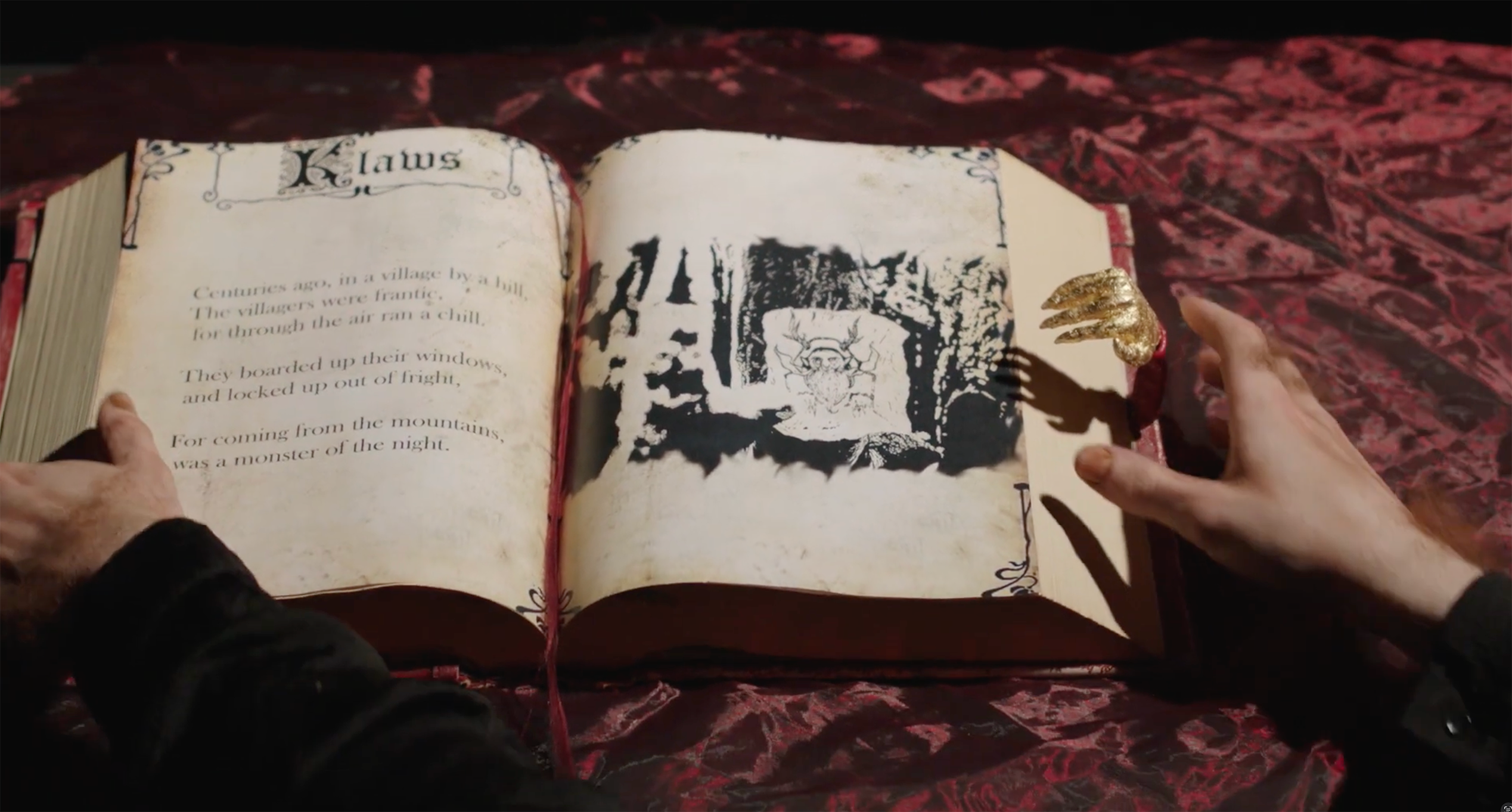
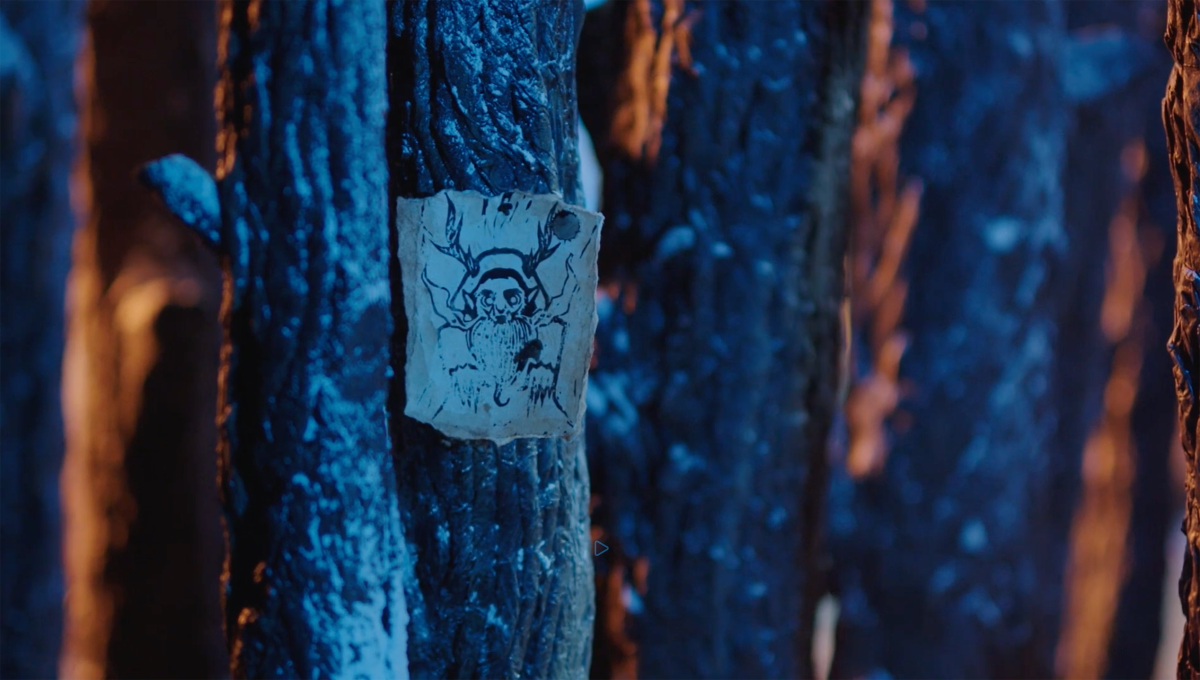
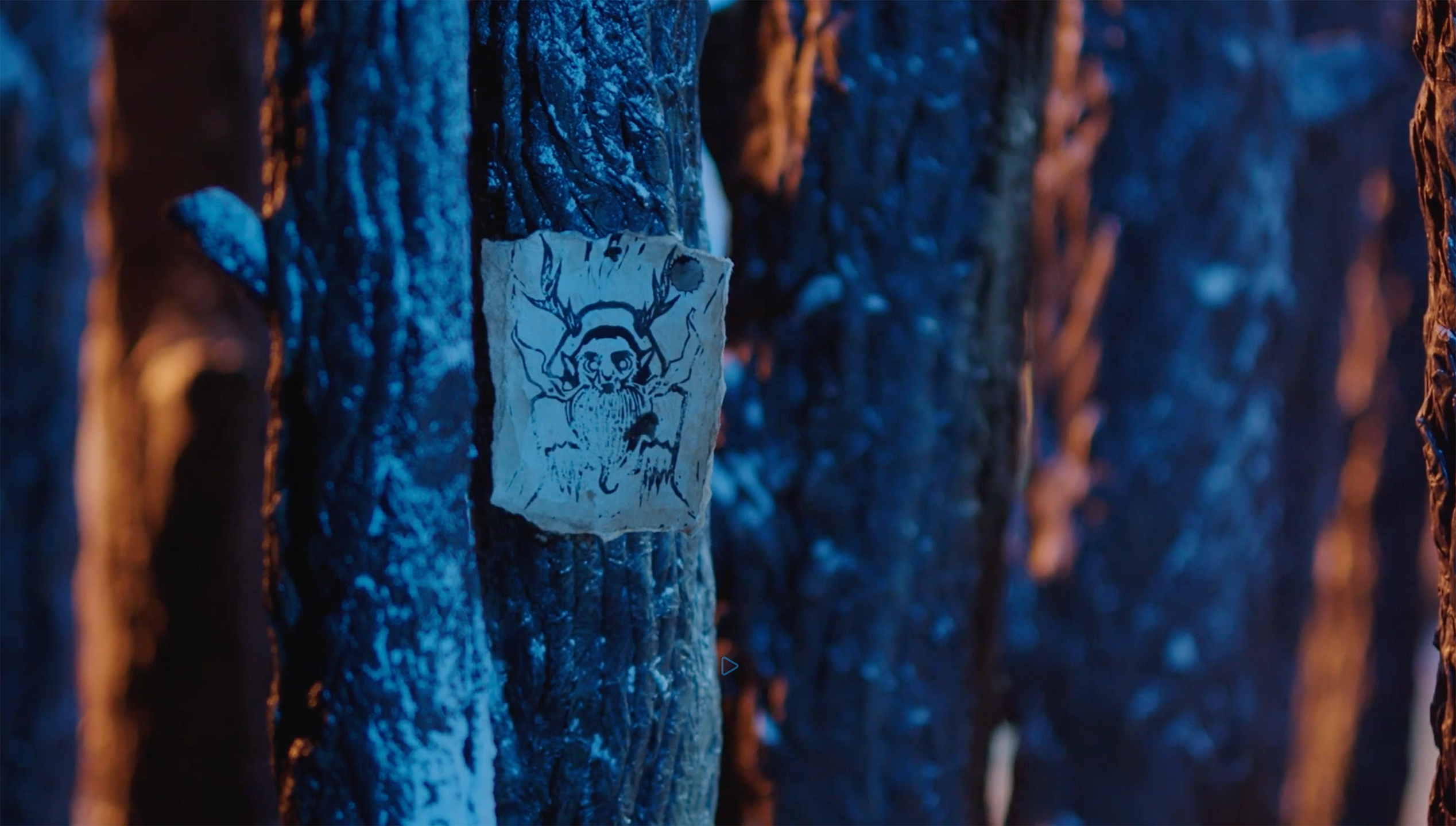
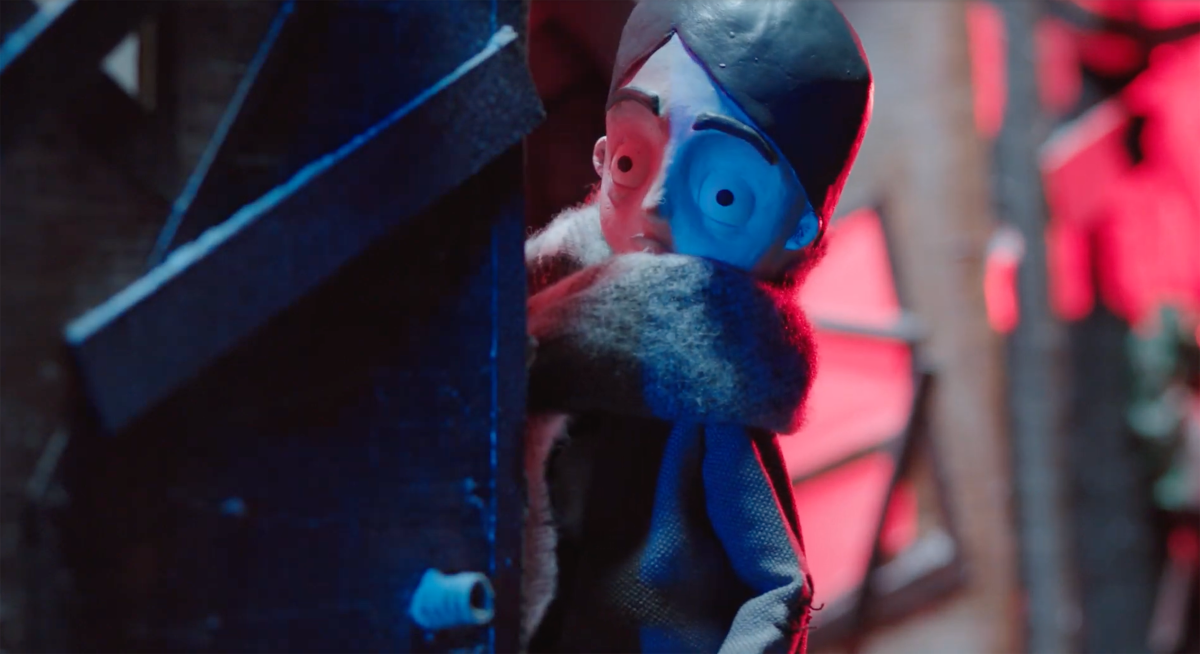
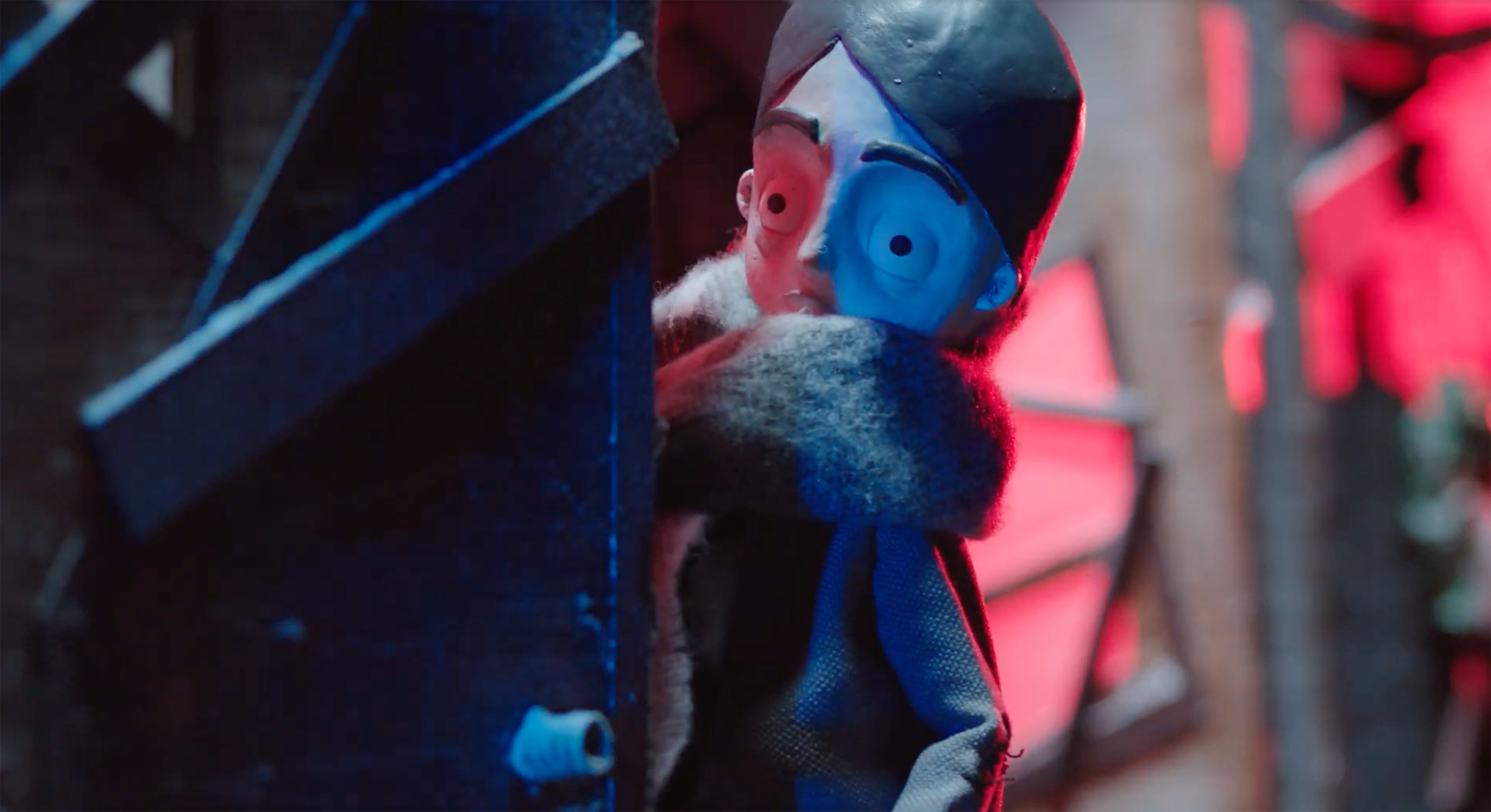
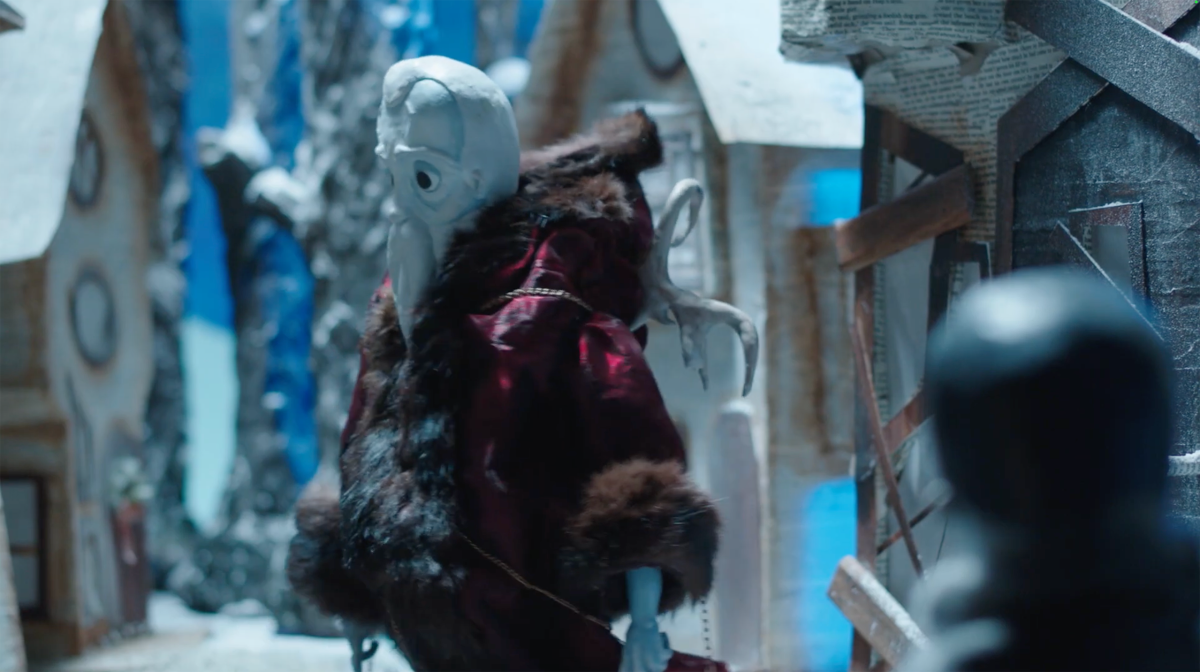
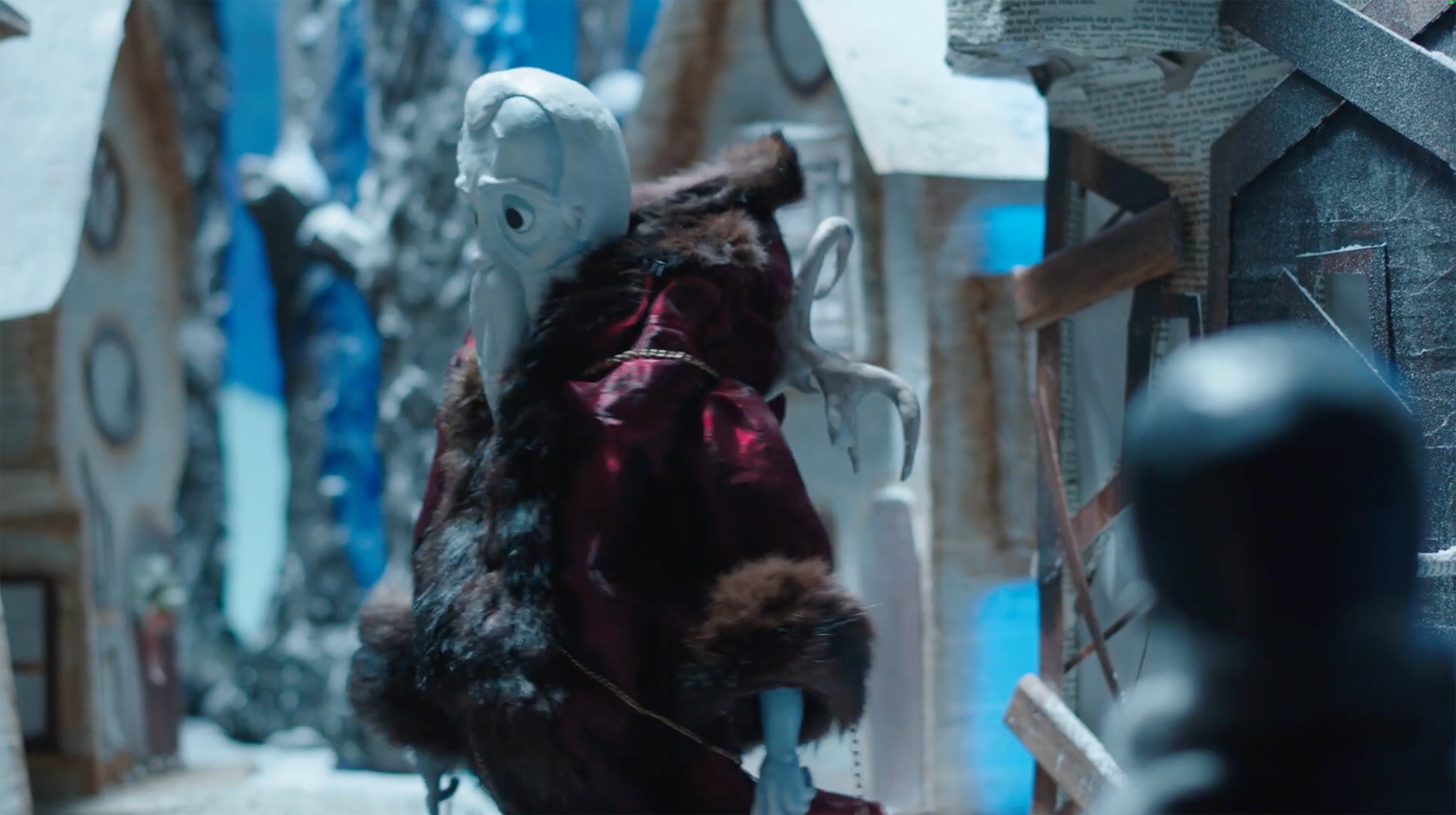
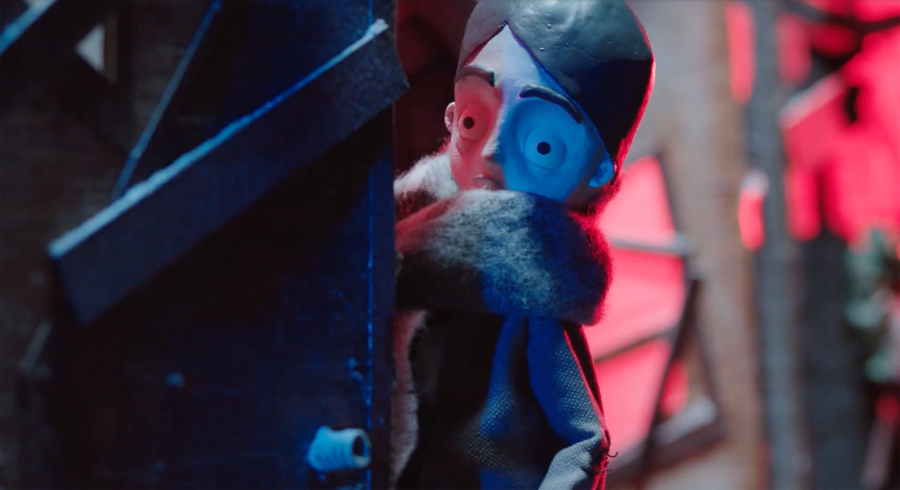
The revelation comes late: the figure stalking the boy is not Krampus, but Santa Claus in disguise, using fear as a tool to discipline misbehaving children. Although the boy survives the ordeal, the encounter leaves lasting unease. Santa departs without reassurance, leaving behind only a lump of coal. The story plays with familiar Christmas mythology, subverting expectations to explore themes of punishment, moral control, and the thin line between reward and cruelty. Horror emerges not from the supernatural threat itself, but from the authority that justifies fear as correction.
Klaus is a dark seasonal folk-horror centred on a young boy fleeing through a snowbound landscape, pursued by a terrifying figure he believes to be Krampus. Having been labelled a “bold” child, he is cast out into the cold as punishment. When he attempts to return to the village, he finds the gates locked and the doors barred, leaving him isolated and exposed as the pursuit closes in. Tension builds through fear, exhaustion, and the threat of abandonment.