Glasshouse
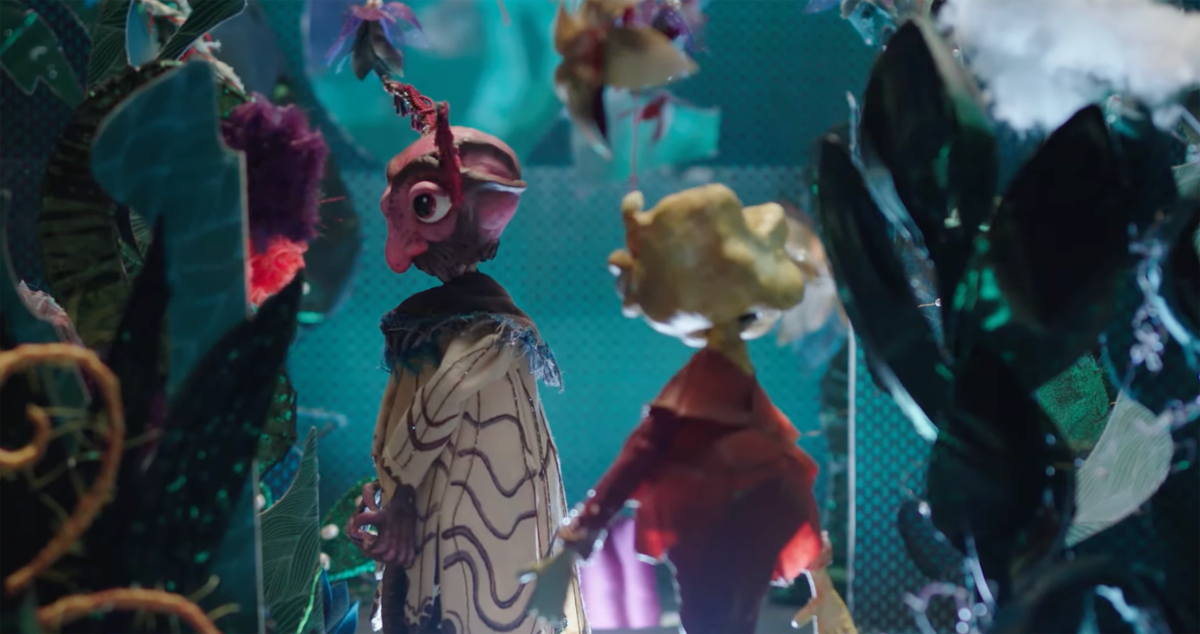
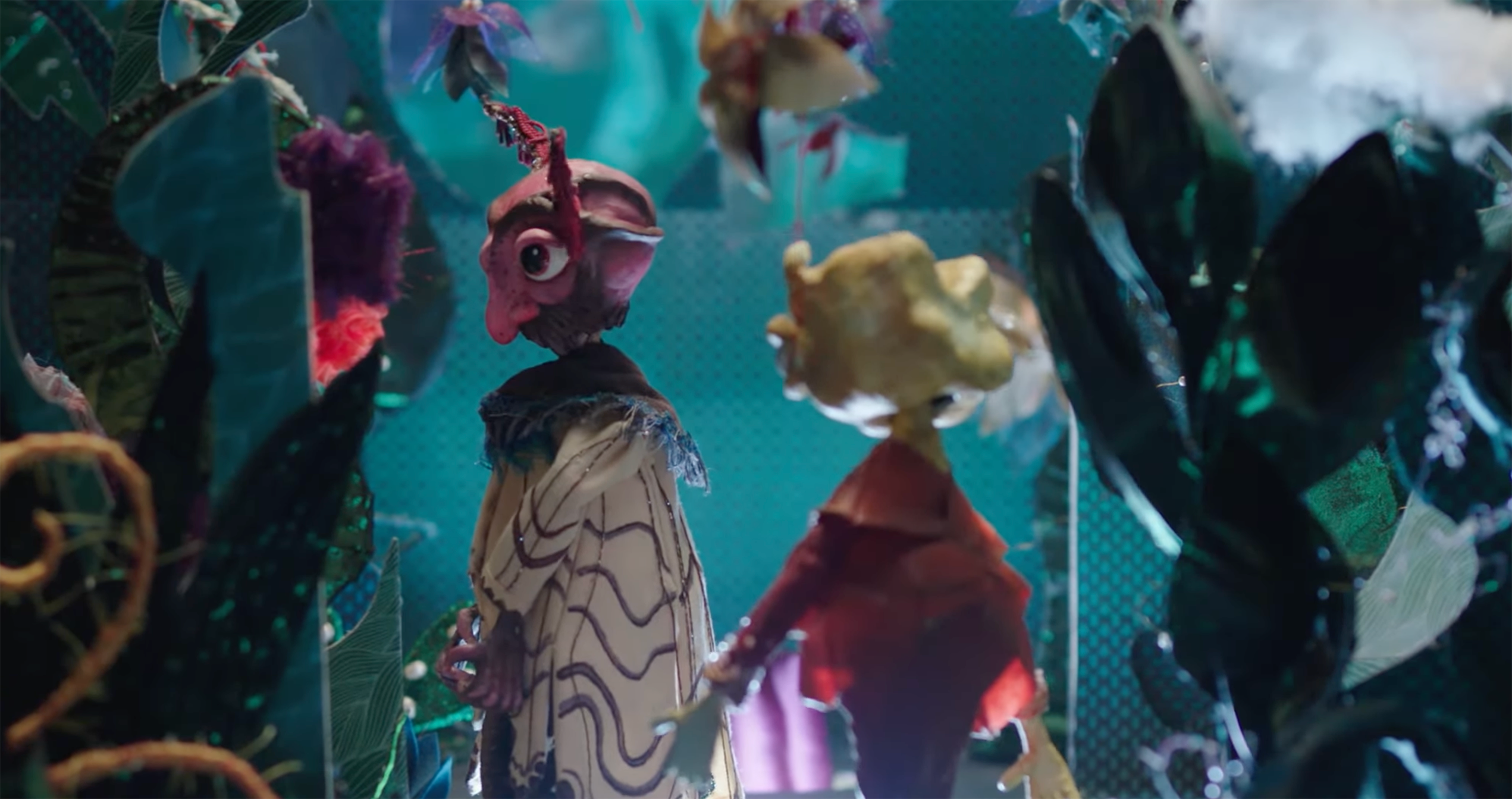
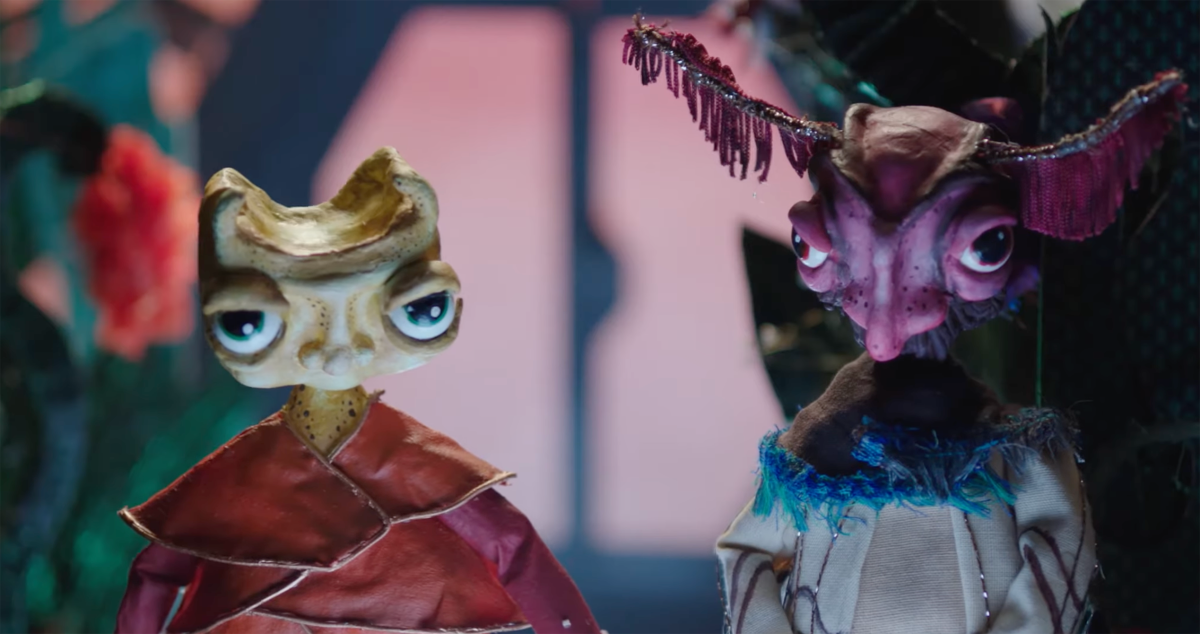
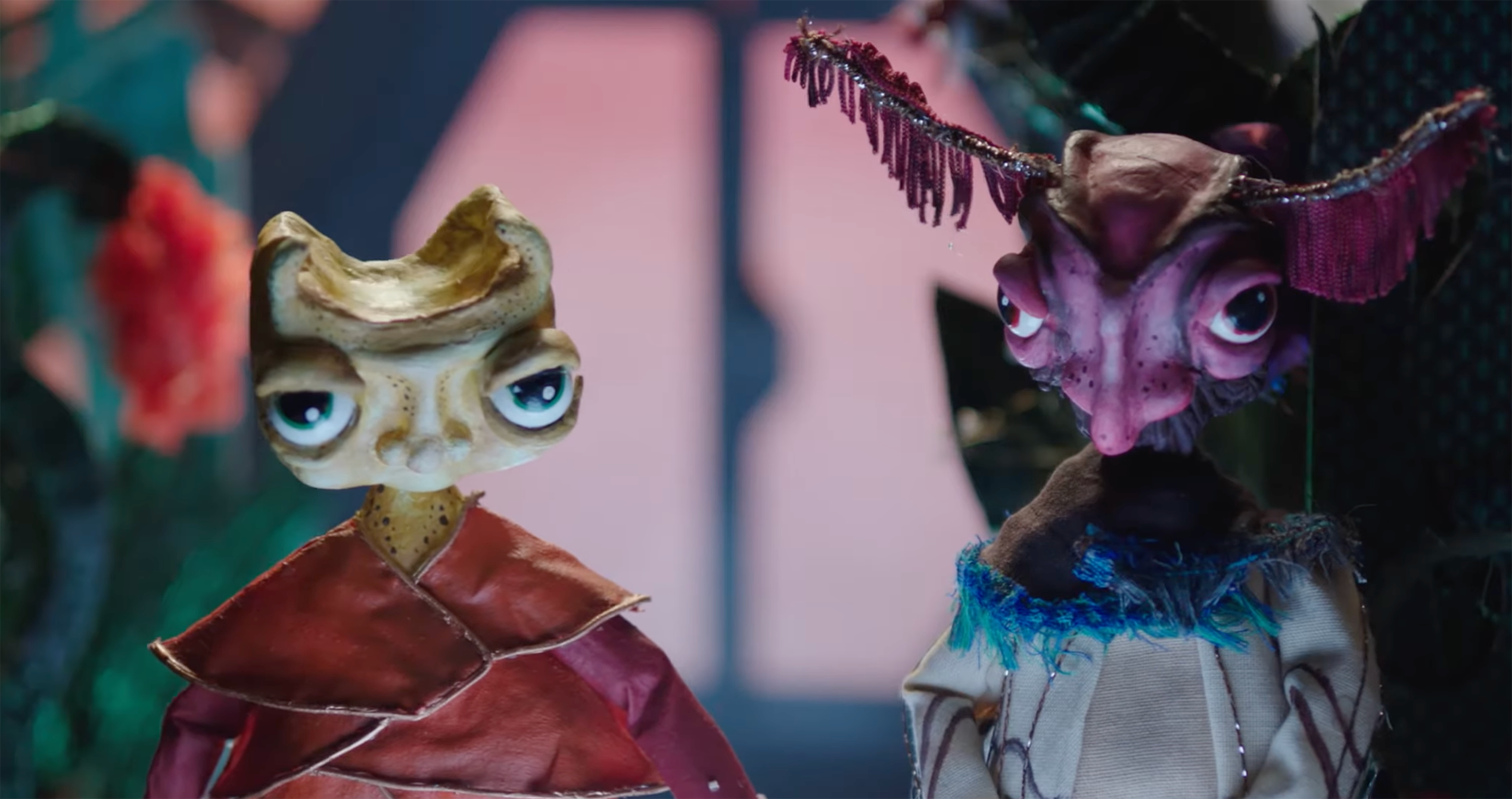
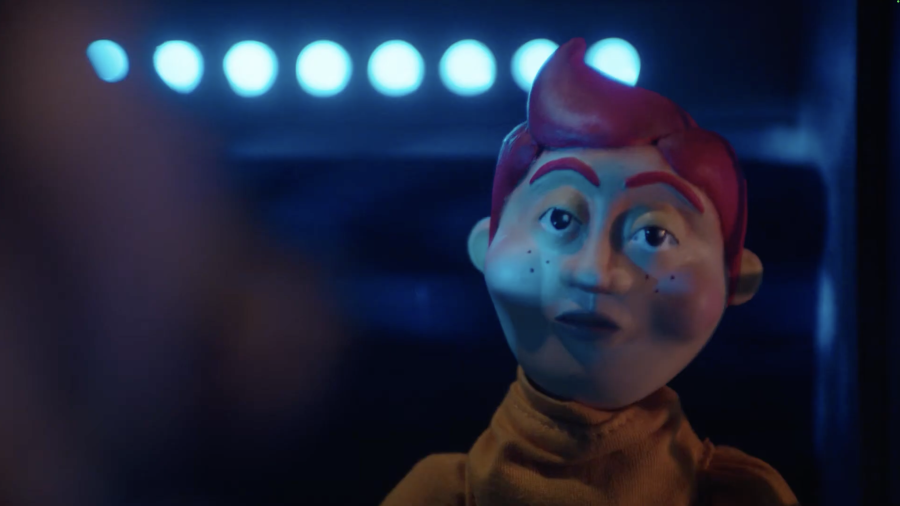
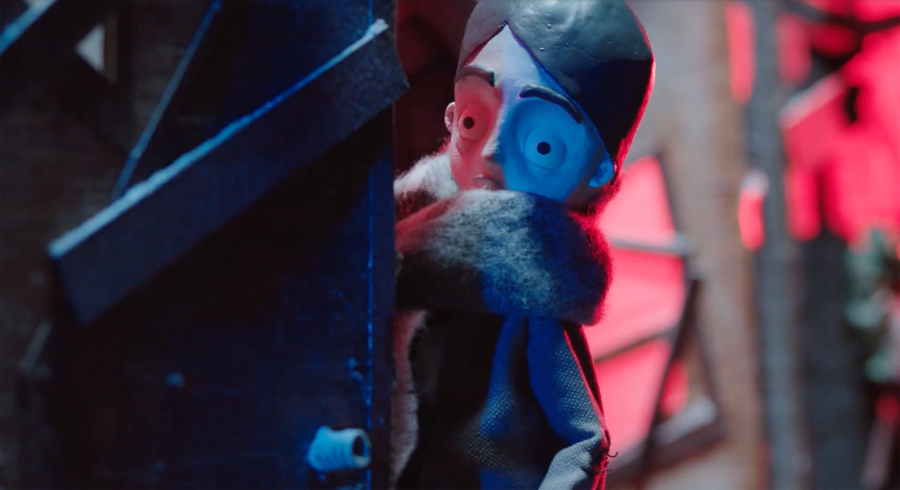
As the boy navigates this environment, small acts of curiosity and resistance expose the tension between innocence and control. The narrative unfolds through restraint and atmosphere, favouring suggestion over explicit violence, with themes of power, repression, and psychological confinement emerging through spatial design, scale, and light. Insect-inspired forms, textures, and silhouettes support the story’s emotional tone, allowing design choices to communicate unease and vulnerability without overt explanation.
In adapting the story for film, puppetry, production design, and lighting were used to create a quiet form of science fiction in which the future is sensed rather than stated. The insect-based character designs function as visual metaphors, supporting the psychological narrative and allowing mood and imagery to carry meaning as strongly as dialogue or action.
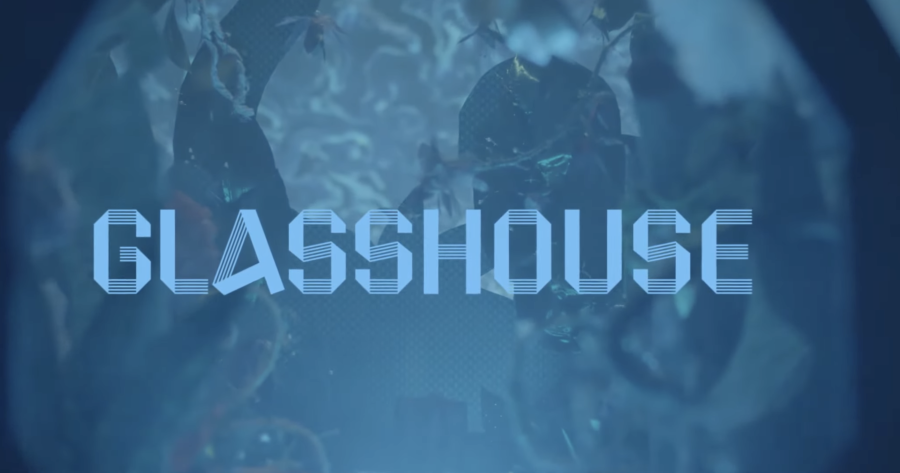
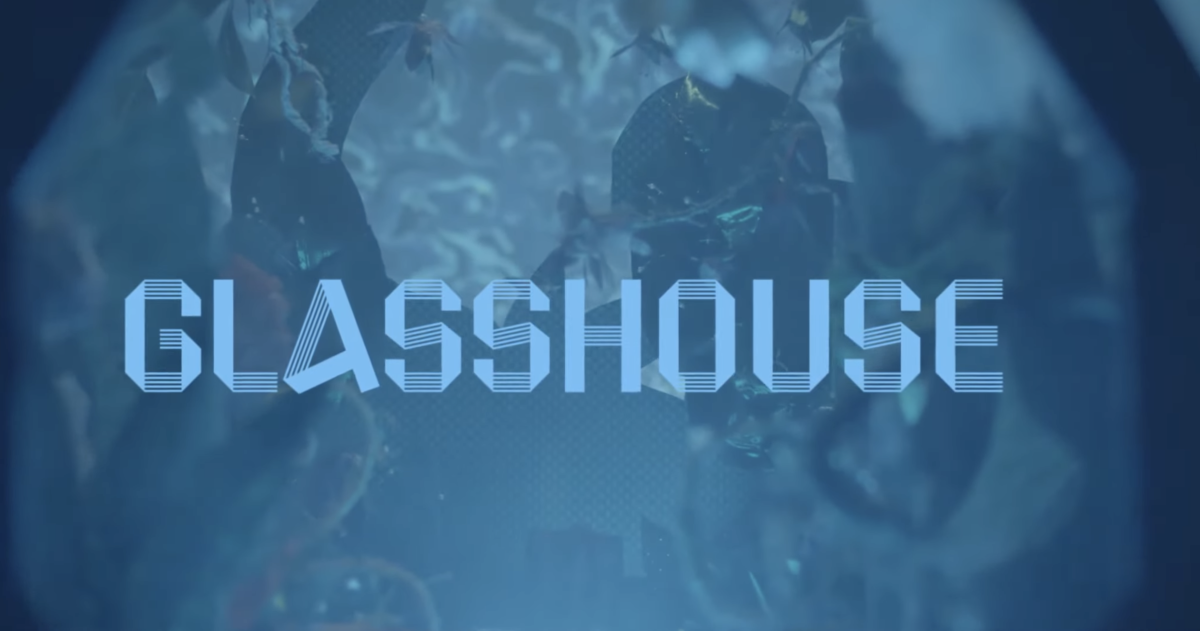
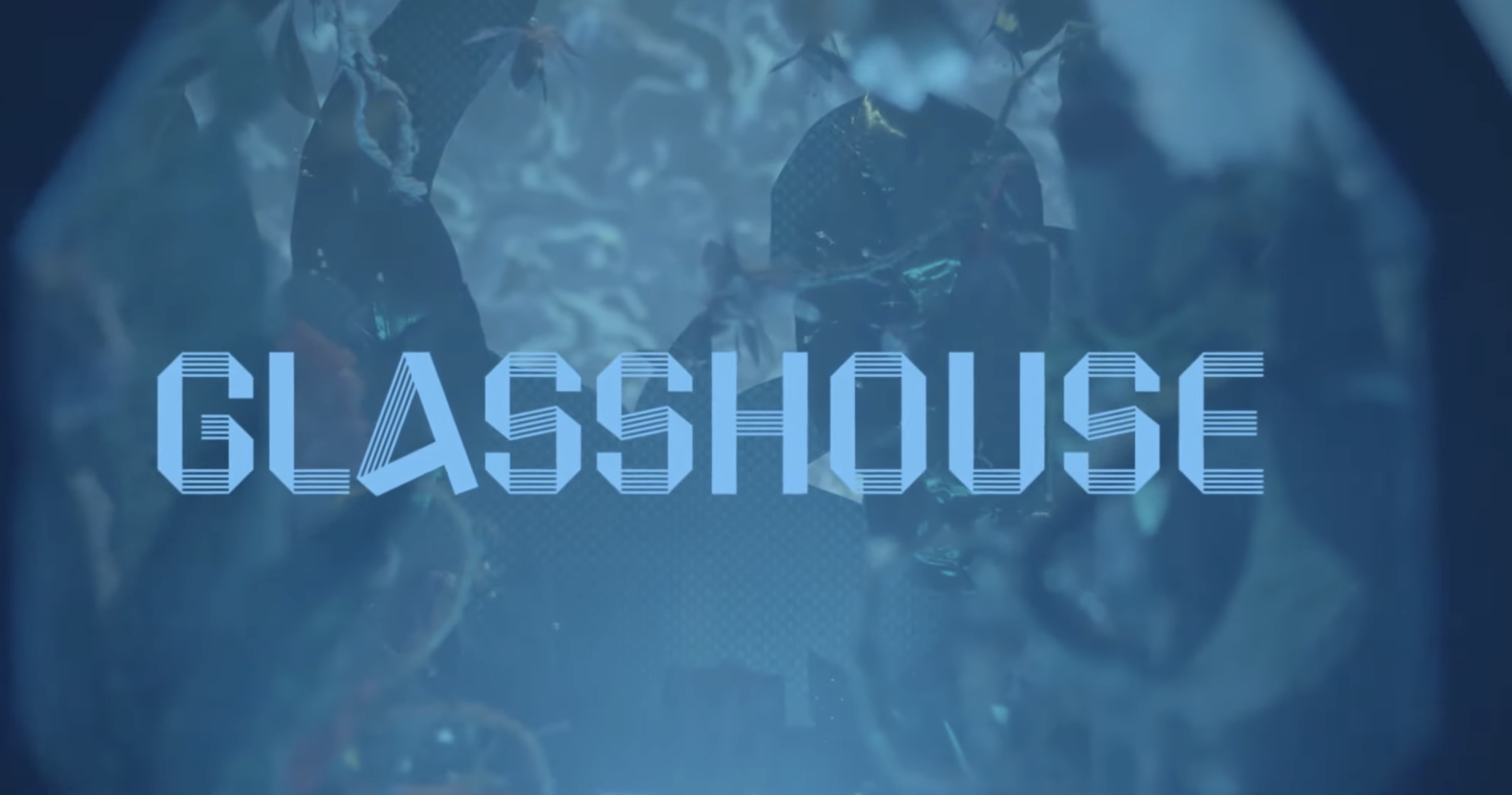
Glasshouse is a gothic psychological horror set in a speculative future, where a young boy lives under the oppressive control of his uncle within a fragile, enclosed environment. The glasshouse suggests a controlled, artificial world — transparent yet confining — shaped by systems of order and quiet surveillance. The characters are designed with subtle insect-like qualities, introducing a sense of otherness that distances the story from realism while reinforcing ideas of hierarchy, observation, and containment.