
Investor Perception of Risk and UX
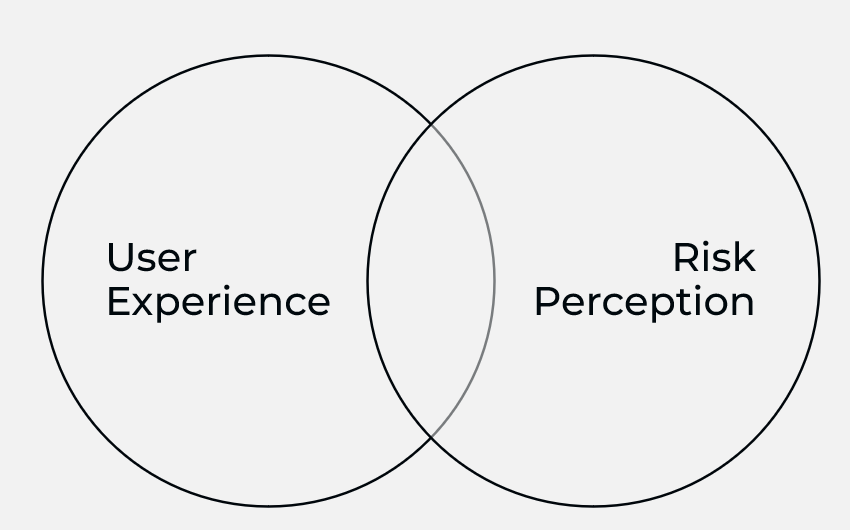
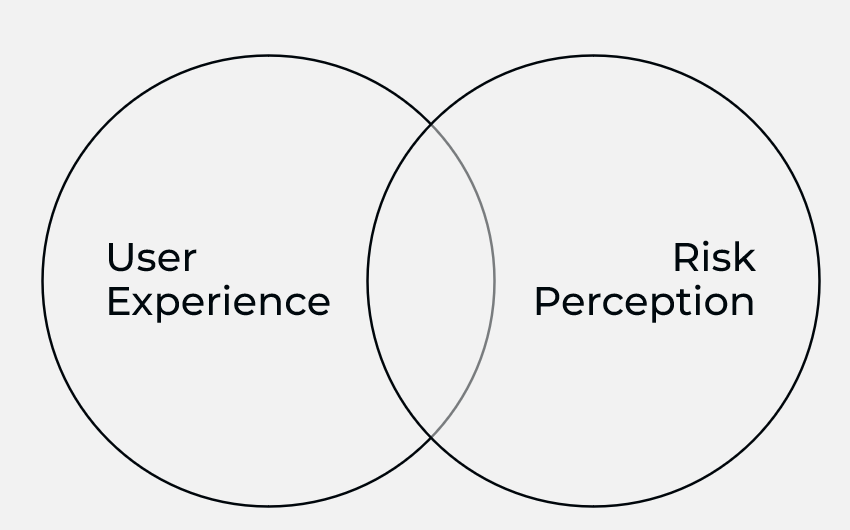
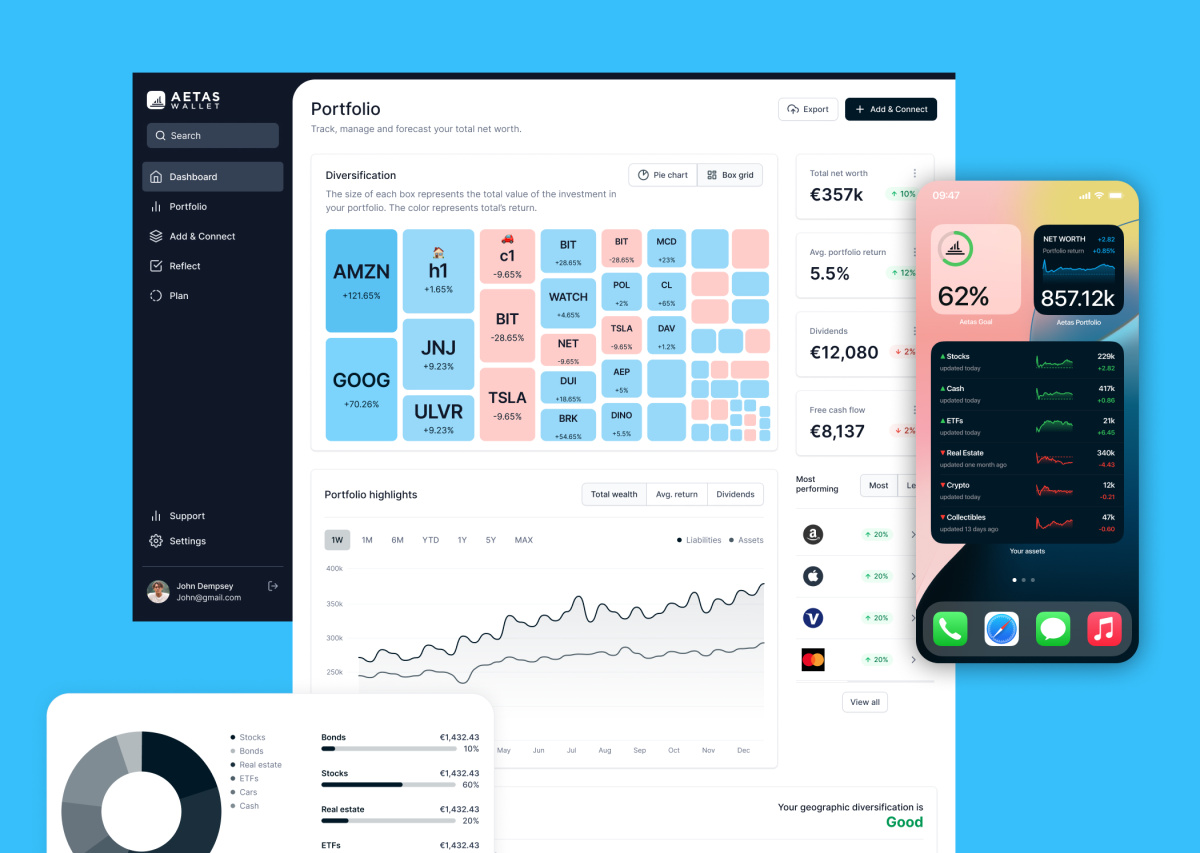
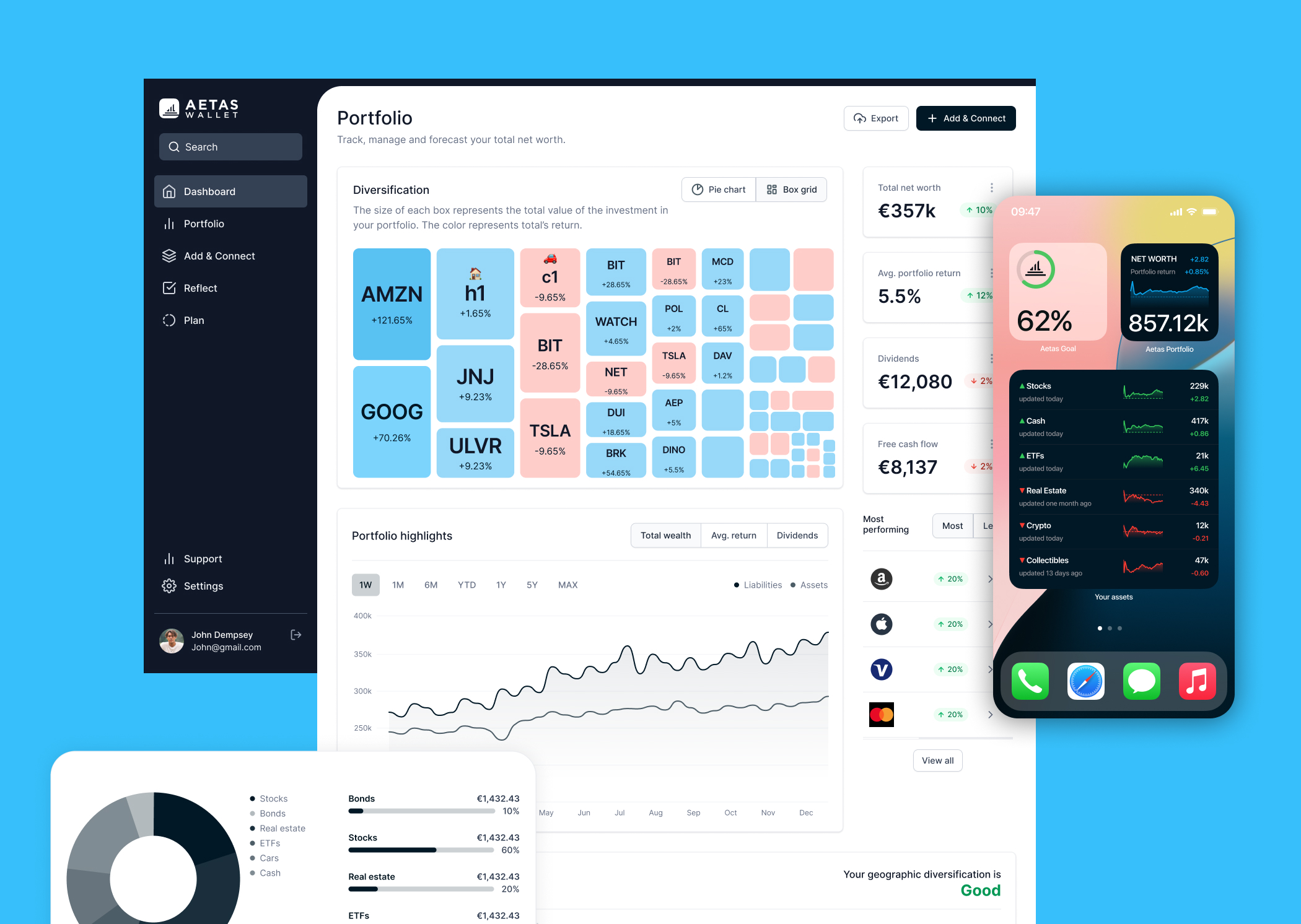
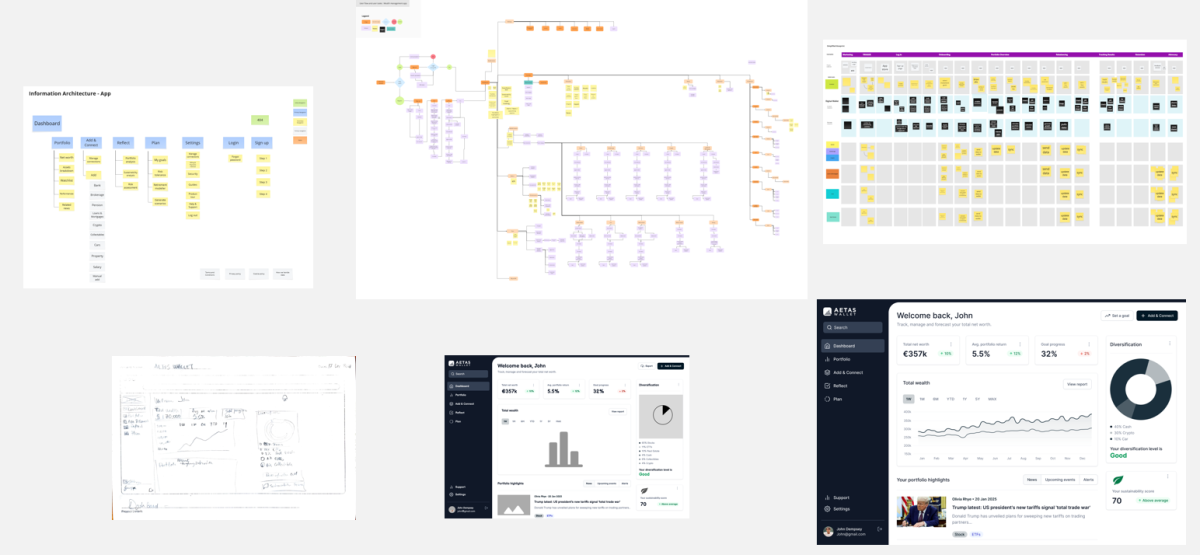
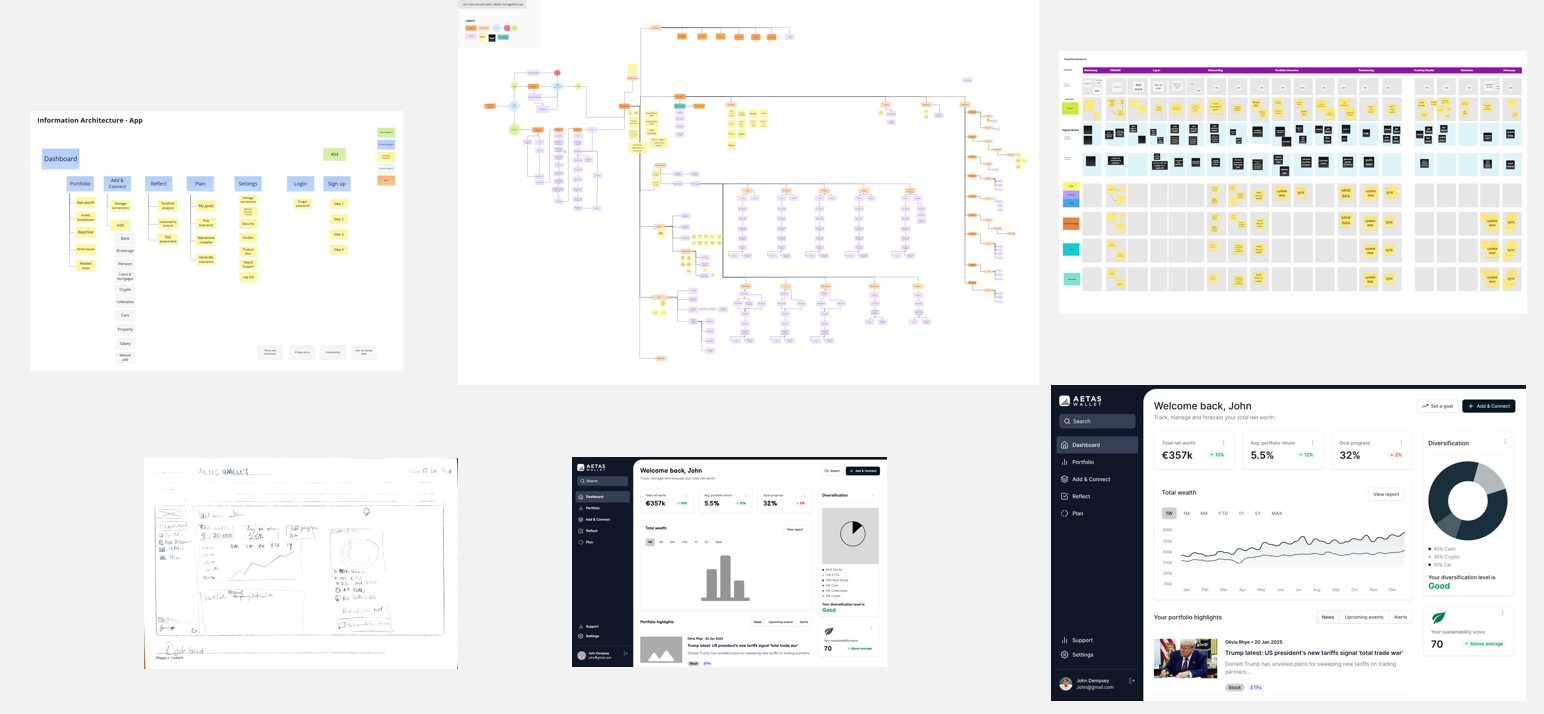
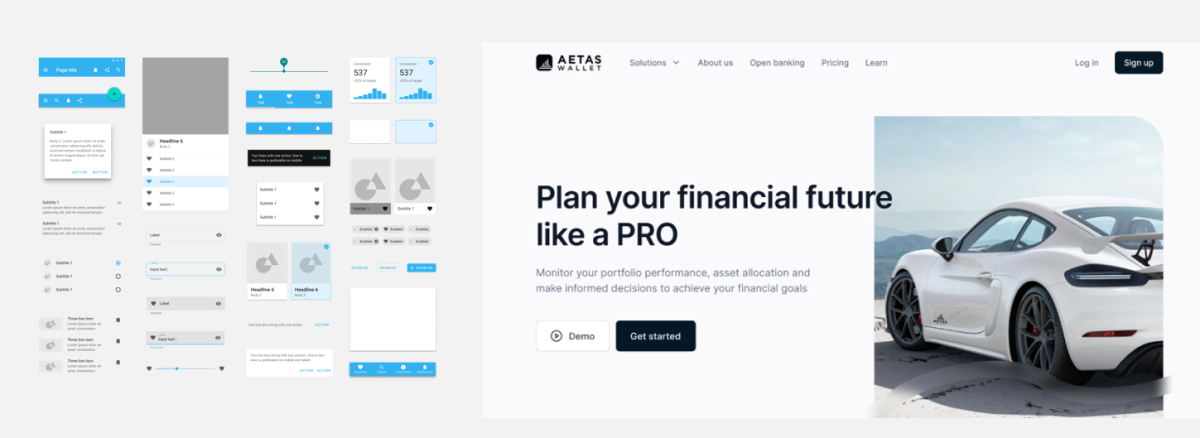
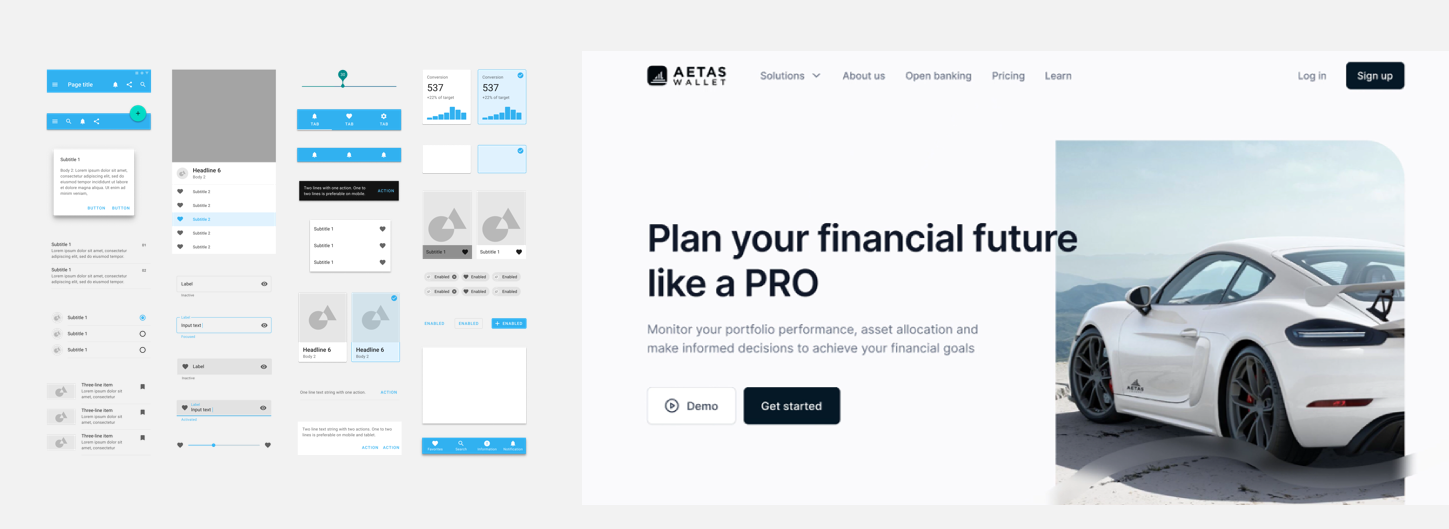
To examine how investors perceive risk when liquid and illiquid assets are aggregated and visualized in a unified wealth management app prototype, and to assess the app's usability.
Research questions
1. Would the user-perceived risk change after using an holistic wealth management app with various liquid and illiquid asset classes?
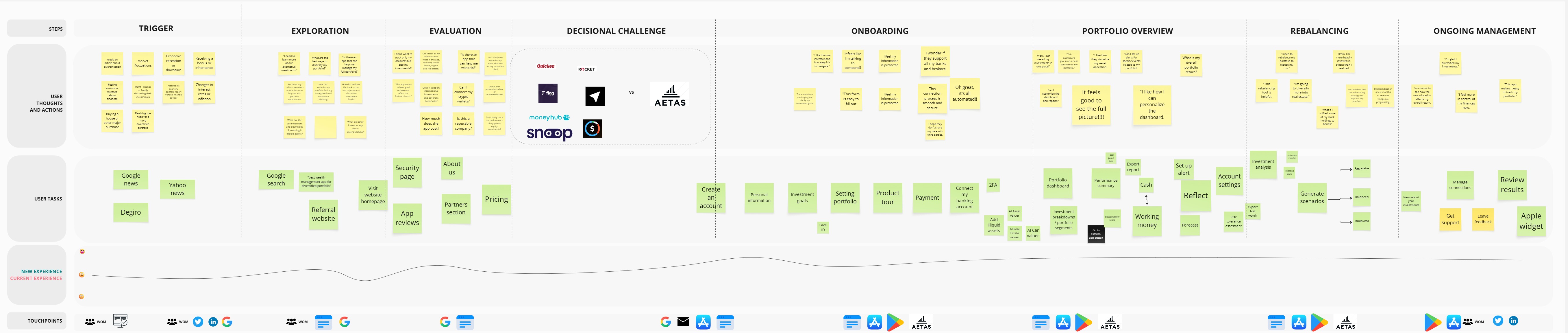
2. How easy and usable is a holistic wealth management app from a user’s perspective? What is the user experience of adding illiquid assets to an investment portfolio management app?
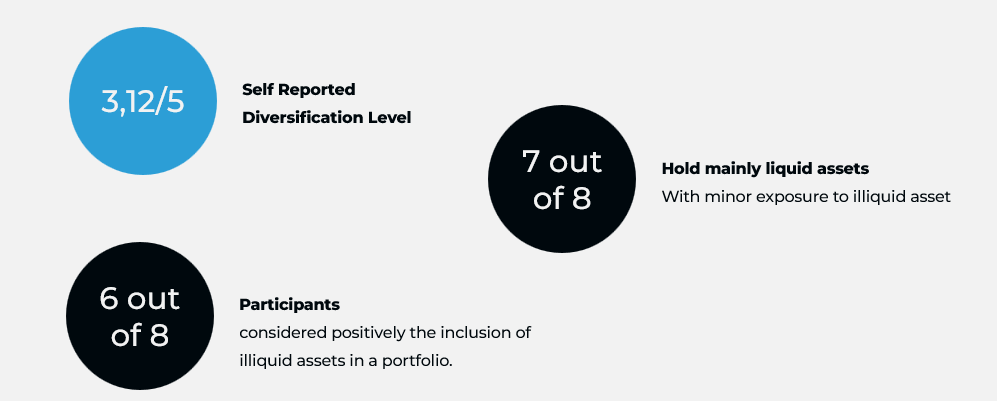
The participants to the final test consisted of 7 adults (7 males) with good self-reported financial ability and good perceived Financial Sophistication/Financial literacy.
An analysis of the variation of the perceived risk pre and post usability testing revealed significant differences in perceived risk ratings for the investor portfolio, M= 0.7731092437, S.D. 0.32623
The results indicate that the variation in perceived risk is 12.89%.
Investors in modern times hold portfolios which combine liquid assets, including stocks and bonds, with illiquid assets such as real estate, collectibles, and private equity. The focus of traditional wealth management applications on liquid holdings produces inaccurate risk perception and prevents proper portfolio diversification. The research examines how investors perceive risk when liquid and illiquid assets are combined and displayed through a unified wealth management app prototype while assessing the application's usability. The research adopted a user-centered design method based on the Double Diamond model to collect mixed-methods data from twelve participants through semi-structured interviews and a UX workshop with investors.